Solar Farms: Clean and Sustainable Energy for the Future
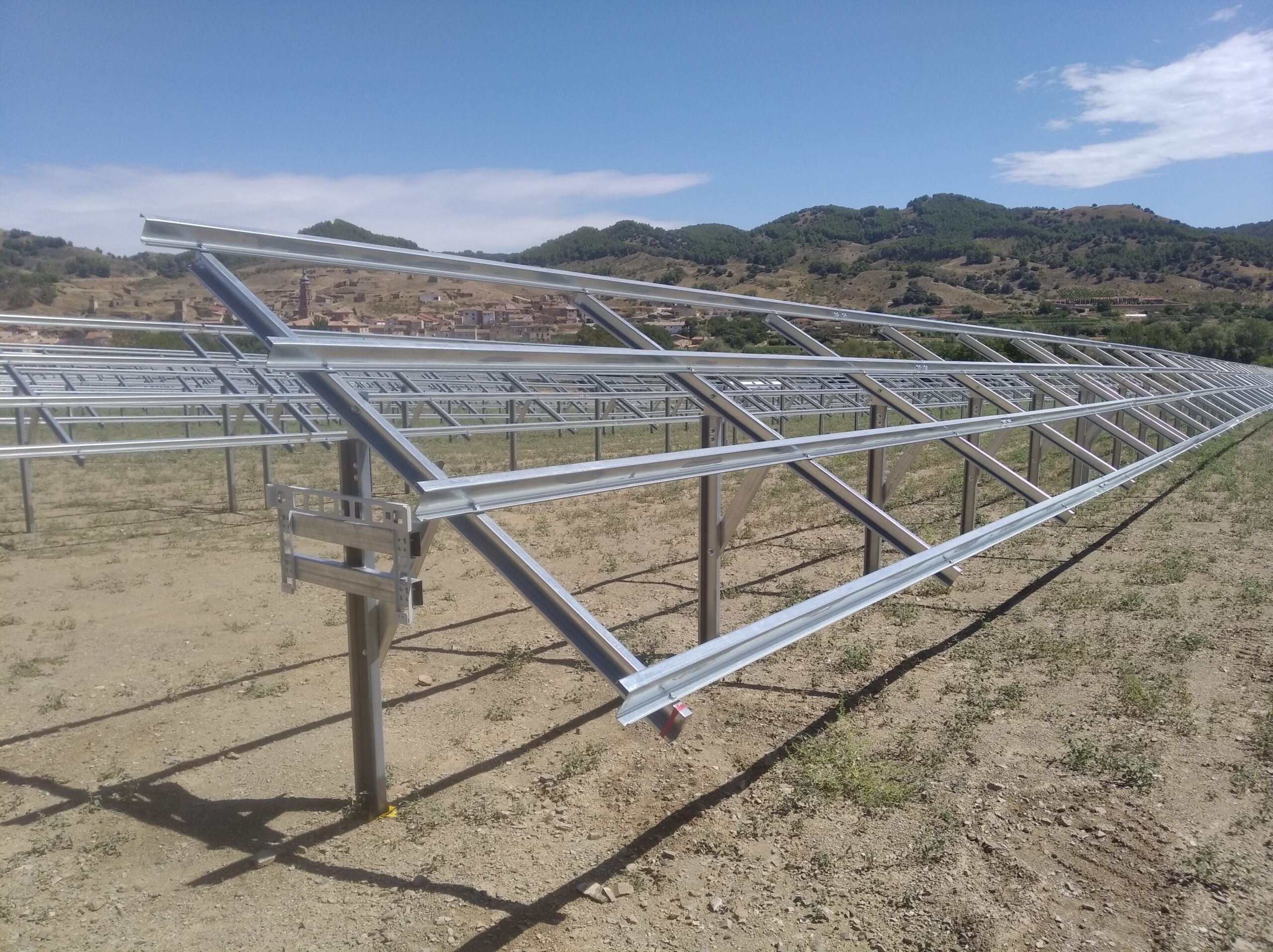
In recent years, awareness of the importance of clean and sustainable energy has been growing. One of the most promising solutions to address the challenge of climate change and reduce our dependence on fossil fuels is solar farms. These innovative projects are revolutionizing the way we generate and use energy, providing an environmentally friendly and cost-effective alternative. In this article, we will explore what solar farms are and why they have become such a relevant option in today’s energy landscape.
What are Solar Gardens?
Solar farms are installations designed to harness the sun’s energy and convert it into electricity on a large scale. These installations are composed of a large number of solar panels that capture solar radiation and transform it into usable electrical energy.
Unlike residential solar panels, which are installed on the roofs of homes, these solar structures are located on larger pieces of land, such as fields or open areas, which receive a greater amount of sunlight. These sites are specially selected for their location and exposure to the sun to maximize the efficiency of power generation.
The solar panels used in solar farms are composed of photovoltaic cells containing semiconductor materials, such as silicon, which have the ability to convert sunlight directly into electricity. When the sun’s rays strike the photovoltaic cells, they generate an electric current that can be used to power the electrical grid or stored in batteries for later use.
In addition to the solar panels, these solar structures also have other components, such as solar inverters, which convert the direct current generated by the panels into alternating current, which is the form in which electricity is distributed to homes and businesses.
This type of facility is a clean and renewable energy source, as it does not produce greenhouse gas emissions or pollutants during operation. In addition, they help diversify the energy matrix by reducing dependence on fossil fuels, thus contributing to climate change mitigation and environmental protection.
In short, these solar structures are large-scale installations that harness solar energy to generate electricity in a clean and sustainable manner. They are an increasingly important solution in the energy landscape, providing significant economic and environmental benefits.
Benefits of Solar Gardens
1. Clean and renewable energy: Solar farms generate electricity without emitting greenhouse gases or pollutants, helping to reduce the carbon footprint and mitigate climate change.
2. Economic savings: By harnessing solar energy, solar farms help reduce electricity costs in the long run. In addition, some countries offer incentives and support policies to encourage the use of renewable energy, which can make investing in solar farms even more profitable.
3. Efficient use of space: Solar farms are installed on land that is not suitable for agriculture or other activities, making efficient use of space and avoiding deforestation.
Local employment generation: The construction and operation of solar farms generates jobs in the local community, which boosts economic and social development.
Conclusion
Solar farms represent a solid and sustainable energy solution for the future. These installations allow us to harness the power of the sun to generate clean electricity, reduce greenhouse gas emissions and reduce our dependence on fossil fuels. In addition, solar farms contribute to economic development and local employment generation in the communities where they are installed. By using land that is not suitable for agriculture or other activities, they optimize the use of space and avoid deforestation.
The technology of solar structures for orchards continues to advance rapidly, boosting the efficiency and cost-effectiveness of these installations. In addition, the implementation of energy storage systems overcomes challenges related to the variability of solar energy, ensuring a constant and reliable supply of electricity.
It is crucial that governments, businesses and communities encourage and invest in the expansion of solar farms as part of a comprehensive strategy to transition to a more sustainable economy. By harnessing this clean and abundant source of energy, we can build a more environmentally friendly future, promoting climate change mitigation and ensuring a secure and affordable energy supply for generations to come.
In conclusion, these structures represent a powerful tool to drive the transformation towards a more sustainable energy system
. With their ability to generate clean electricity, contribute to local economic development and mitigate climate change, solar farms are positioned as an essential solution in the quest for a greener and more prosperous future.